Archive for the ‘Space’ Category

Comet C/2013 A1 (Siding Spring) could impact Mars on 19th October 2014

March 21, 2013

Comet Shoemaker–Levy 9  broke apart and collided with Jupiter in July 1994, providing the first direct observation of an extraterrestrial collision of Solar System objects.

The collision provided new information about Jupiter and highlighted its role in reducing space debris in the inner Solar System.

But a much closer event could be in the offing for next year. A newly discovered comet has been found to have an orbit which takes it extraordinarily close to Mars in October 2014 and the possibility of an impact is 1 in 600. The size of the comet is still uncertain but some estimates are of the nucleus being 50 km in diameter. An impact crater on Mars – if an impact occurs – could then be about 500 km in diameter.

C/2013 A1 (Siding Spring) is a comet originating from the Oort cloud and was only discovered in January this year by Robert H. McNaught at Siding Spring Observatory in Australia,  using a 0.5-meter  Schmidt telescope. By looking at observations made before the comet was identified as a comet on 3rd January, NASA states “Pre-discovery observations located in the archives have extended the observation interval back to Oct. 4, 2012”.

NASA/JPL Near-Earth Object Program Office 
March 5, 2013

On Oct. 19, 2014, Comet 2013 A1 (Siding Spring) will pass extraordinarily close to Mars, almost certainly within 300,000 km of the planet and possibly much closer. Our current best estimate has it passing about 50,000 km from the surface of Mars. This is about 2.5 times the distance of Mars’ outermost satellite Deimos or less than twice the Earth close approach distance of 2012 DA14 on February 15, 2013. Since the observation span available for orbit determination is still relatively short, the current orbit is quite uncertain and the nominal close approach distance will change as additional observations are included in future orbit estimates. Currently, Mars lies directly within the range of possible paths for the comet and we can’t exclude the possibility that the comet might impact Mars. Our current estimate for the impact probability is less than one in six hundred and we expect that future observations will allow us to completely rule out a Mars impact.

This computer graphic depicts the orbit of comet 2013 A1 (Siding Spring) through the inner solar system. Image credit: NASA/JPL-Caltech

This computer graphic depicts the orbit of comet 2013 A1 (Siding Spring) through the inner solar system. Image credit: NASA/JPL-Caltech

Although the current heliocentric orbit is hyperbolic (i.e., eccentricity greater than one), the orbit is elliptic when expressed in the frame of the solar system’s barycenter. After more than a million year journey, this comet is arriving from our solar system’s distant Oort cloud. It could be complete with the volatile gases that short period comets often lack due to their frequent returns to the sun’s neighborhood.

During the close Mars approach, the comet will likely achieve a total visual magnitude of zero or brighter as seen from Mars-based assets. The attached illustration shows the comet’s approximate, apparent visual magnitude and its solar elongation angle as a function of time as seen from Mars. Because the comet’s apparent magnitude is so uncertain, the brightness curve was cut off at apparent visual magnitude zero. However, the comet may get brighter than magnitude zero as seen from Mars. From Earth, the comet will not likely reach naked eye brightness but it could brighten to visual magnitude 8 as seen from the southern hemisphere in mid-September 2014.

This illustration, prepared by Jon Giorgini, shows the apparent total visual magnitude and solar elongation angle as seen from the center of Mars

This illustration, prepared by Jon Giorgini, shows the apparent total visual magnitude and solar elongation angle as seen from the center of Mars image NASA

Falcon 9 launches as Dragon sets off on its second cargo supply mission

March 2, 2013

SpaceX has launched CRS-2 — its second  mission to the International Space Station. The Dragon capsule aboard the Falcon 9 rocket will dock with the ISS today, delivering 677 kg of cargo to the astronauts currently there, and will return in about 2 weeks.

Initial thruster problems threatened the mission but these seem to have been solved.

But vexing trouble with the capsule’s rocket thrusters quickly turned the $133 million flight into a high-tech cliff hanger. Six-and-a-half hours after launch, follwoing extensive troubleshooting and analysis, it appeared company engineers had resolved the problem, bringing all four sets of thrusters on line and setting the stage for a delayed rendezvous with the space station.

From Space X press release: 

Hawthorne, Calif. – Today, Space Exploration Technologies (SpaceX) successfully launched its Falcon 9 rocket and Dragon spacecraft to orbit for SpaceX’s second mission under its Commercial Resupply Services (CRS) contract with NASA. Falcon 9 completed its job perfectly, continuing its 100 percent success rate.

“Falcon 9 was designed to be the world’s most reliable rocket, and today’s launch validated this by adding to Falcon 9’s perfect track record with our fifth success in a row,” said Gwynne Shotwell, President of SpaceX.

After Dragon separated from Falcon 9’s second stage approximately nine minutes after launch, a minor issue with some of Dragon’s oxidation tanks was detected. Within a few hours, SpaceX engineers had identified and corrected the issue, normalizing the oxidation pressure and returning operations to normal. Dragon recomputed its ascent profile as it was designed to and is now on its way to the International Space Station (ISS) with possible arrival on Sunday, just one day past the original timeline.

Dragon is the only spacecraft in the world today capable of returning significant amounts of cargo to Earth. Dragon will stay on station for a three-week visit, during which astronauts will unload approximately 1,200 pounds of cargo and fill the capsule with return cargo, for return to Earth. Dragon is filled with supplies for the ISS, including critical materials to support science investigations. Later this month, Dragon will return a payload that includes research results, education experiments and space station hardware.

Updates on the CRS-2 mission can be found at www.spacex.com/webcast. Broadcast quality video may be downloaded at vimeo.com/spacexlaunch and high-resolution photos are posted at spacexlaunch.zenfolio.com.

About SpaceX

SpaceX designs, manufactures, and launches the world’s most advanced rockets and spacecraft. The company was founded in 2002 by Elon Musk to revolutionize space transportation, with the ultimate goal of enabling people to live on other planets. Today, SpaceX is advancing the boundaries of space technology through its Falcon launch vehicles and Dragon spacecraft. SpaceX is a private company owned by management and employees, with minority investments from Founders Fund, Draper Fisher Jurvetson, and Valor Equity Partners. The company has more than 3,000 employees in California, Texas, Washington, D.C., and Florida. For more information, visit SpaceX.com.

Chelyabinsk Meteoroid tracked back to the Apollo asteroid group

February 26, 2013

Astronomers at the University of Antioquia, Medellin in Colombia have back-tracked the trajectory of the Chelyabinsk meteoroid and have concluded that it was from the Apollo asteroid group which regularly intersect with Earth’s orbit. The Apollo group contains at least 5,000 asteroids and more than 240 of these are over 1 km in size. The largest known Apollo asteroid is 1866 Sisyphus, with a diameter of about 10 km.

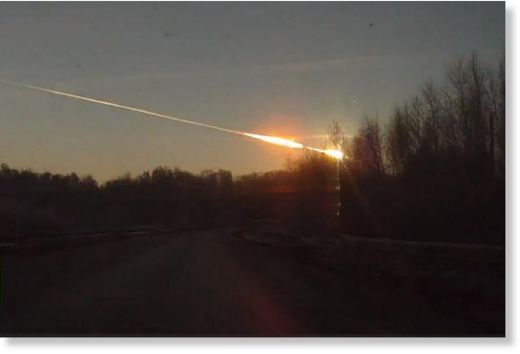
The Chelyabinsk meteoroid crossed from northeast to southwest on February 15th at an angle of 20 degrees above the horizontal at a speed of about 18 km/s. It is estimated to have been about 17-m in size with an estimated mass of between 7,000 and 10,000 tonnes. It exploded at 03:20:26 GMT over 55° 10′ N, 61° 25′ E at an altitude of 15 to 20 kilometers (9.3 to 12.4 miles) with a force of 500 kilotons – the equivalent of 30 Hiroshima atomic bombs.

The astronomers have published their findings:

A preliminary reconstruction of the orbit of the Chelyabinsk Meteoroid

by Jorge I. Zuluaga, Ignacio Ferrin

http://arxiv.org/abs/1302.5377 (abstract)

complete paper (pdf)

Reconstructing the orbit

The Chelyabinsk Meteor Friday 15th Feb. 2013: image from http://www.sott.net

BBC:…. Astronomers have traced the origin of a meteor that injured about 1,000 people after breaking up over central Russia earlier this month.

Using amateur video footage, they were able to plot the meteor’s trajectory through Earth’s atmosphere and then reconstruct its orbit around the Sun. Using the footage and the location of an impact into Lake Chebarkul, Jorge Zuluaga and Ignacio Ferrin, from the University of Antioquia in Medellin were able to use simple trigonometry to calculate the height, speed and position of the rock as it fell to Earth.

To reconstruct the meteor’s original orbit around the Sun, they used six different properties of its trajectory through Earth’s atmosphere. Most of these are related to the point at which the meteor becomes bright enough to cast a noticeable shadow in the videos.

…. The results suggest the meteor belongs to a well known family of space rocks – known as the Apollo asteroids – that cross Earth’s orbit.

Of about 9,700 near-Earth asteroids discovered so far, about 5,200 are thought to be Apollos. Asteroids are divided into different groups such as Apollo, Aten, or Amor, based on the type of orbit they have.

MIT Technology Review: 

“According to our estimations, the Chelyabinski meteor started to brighten up when it was between 32 and 47 km up in the atmosphere,” say Zuluaga and Ferrin, who estimate the velocity at between 13 km/s and 19 km/s relative to Earth.

They then calculated the likely orbit by plugging these figures into a piece of software developed by the US Naval Observatory called NOVAS, the Naval Observatory Vector Astrometry. This allowed them to include the gravitational influence on the rock of the Moon and the 8 major gravitational bodies in the Solar System.


SpaceX’s “Grasshopper” successfully tested to 40m and back

December 25, 2012

Grasshopper, SpaceX’s vertical takeoff and landing vehicle (VTVL), rose 131 feet (40 meters), hovered and landed safely on the pad using closed loop thrust vector and throttle control. The total test duration was 29 seconds.

The 12-story flight marks a significant increase over the height and length of hover of Grasshopper’s previous test flights, which took place earlier this fall. In September, Grasshopper flew to 1.8 meters (6 feet), and in November, it flew to 5.4 meters (17.7 feet/2 stories) including a brief hover.

Testing of Grasshopper will continue with successively more sophisticated flights expected over the next several months.

India’s 100th space mission puts two satellites into orbit

September 10, 2012

The Indian space programme started 50 years ago and the Indian Space Research Organisation (ISRO) has now achieved its 100th mission. Of course there is a debate on whether this is money is well spent considering the many needs in the country. My own view is that it is. The long term development of technology, I think, takes precedence over some short term benefits if the money was spent elsewhere.

Daily Mail:The Indian space programme reached yet another milestone with the successful launch of the Polar Satellite Launch Vehicle (PSLV) carrying two foreign satellites from the Satish Dhawan spaceport, Sriharikota, in Andhra Pradesh on Sunday morning. 

This is the Indian Space Research Organisation’s (ISRO) 100th mission, which began with an experimental satellite called Aryabhata launched by a Russian rocket in April 1975. 

Incidentally, 2012 also marks 50 years of the start of the programme beginning with sounding rockets launched from Thumba in Kerala. …… 

The launch was delayed by two minutes – from 9.51 am to 9.53 am – after a safety analysis of data relating to space debris and asteroids. 

ISRO officials said this was a normal precaution taken to ensure safe journey for satellites to avoid any collision with space objects. 

Both satellites have been placed into their orbits precisely.

The count of 100 space missions includes 63 Indian satellites, 36 launch vehicle missions and one reusable space recovery mission.

The Hindu: 

Prime Minister Manmohan Singh on Sunday congratulated scientists of the Indian Space Research Organisation (ISRO) for the successful launch of the Polar Satellite Launch Vehicle C-21 from Sriharikota.

Expressing happiness at witnessing the launch, Dr. Singh complimented the Department of Space and the ISRO fraternity on this “spectacular success.”

“As ISRO’s 100th space mission, today’s [Sunday’s] launch is a milestone in our nation’s space capabilities,” he told a gathering of scientists that included the former ISRO chiefs.

Dr. Singh also congratulated EADS Astrium of France and the Osaka Institute of Technology of Japan on the successful launch of their satellites. This achievement was a testimony to the commercial competitiveness of the Indian space industry and a tribute to Indian innovation and ingenuity.

He noted that the year also marked the 50th anniversary of the commencement of India’s space programme and acknowledged the presence of many stalwarts of the earlier space programmes, including Project Directors of space missions. “Given the string of successes since then, we often forget how challenging space technology is and what a relatively new field it continues to be.” …..

Chinese astronauts to launch on Saturday

June 15, 2012

Three Chinese astronauts, Liu Yang, Jing Haipeng and Liu Wang will launch at 1237 GMT on Saturday in a Shenzhou 9 spacecraft to dock with the orbiting Tiangong 1 space “station” (module) now orbiting 322 kilometers  above the Earth.

(Updated with new image below).

Liu Yang, China's first female astronaut, at the Jiuquan Satellite Launch Centre in Gansu province on Friday.

Liu Yang, China’s first female astronaut, at the Jiuquan Satellite Launch Centre in Gansu province on Friday. Photo AP

China Daily: The impending launch of the manned Shenzhou IX spacecraft will be the first time that China’s astronauts will stay in space for more than 10 days, said Cui Jijun, chief commander of the country’s first space docking mission’s launch site system, on Wednesday. The previous record is five days, set by the Shenzhou VI spacecraft in 2005.

The mission will also complete the country’s first manned space docking to master thenecessary technology for assembling a space station, see China’s first female astronaut in space and have astronauts entering a space lab module for the first time, he added.

It is also the first time for the Jiuquan Satellite Launch Center, located in a desert, to conduct a mission in the summer. The past nine launches of China’s manned space program were held in the spring, autumn and winter, but not summer. The three manned spacecraft all blasted off in autumn. 

Xinhua: China succeeded in the automatic docking between Shenzhou-8 spacecraft and Tiangong-1 lab module last year. A manual docking between Shenzhou-9 and Tiangong-1 will be attempted this time. …….  a female astronaut will be included in a space mission for the first time in China’s space program, the selection, training, medical monitoring and security, and flight crew equipment for female astronauts will also be tested.

data:image/jpeg;base64,/9j/4AAQSkZJRgABAQAAAQABAAD/2wCEAAkGBhQSEBUUExQWFRUVFxYXFxcXFxgcFxgYFBUVFRUXGBgXHSYeHBokGhUUHy8gJCcpLCwsFx4xNTAqNSYsLCkBCQoKDgwOGg8PGiwkHyQsKSksKiwpLCwqKSkpLCwsLCksLCksKSksKSksLCwpKSwpLCwsKSwsLCwpKSwsKSwsKf/AABEIAMIBBAMBIgACEQEDEQH/xAAbAAABBQEBAAAAAAAAAAAAAAAFAAECAwQGB//EAEEQAAEDAQUFBQYEBAUEAwAAAAEAAhEDBBIhMUEFUWFxkQYigaHwEzKxwdHhFEJS8QcjYnIVFoKSojOywtJDU2P/xAAaAQADAQEBAQAAAAAAAAAAAAAAAgMBBAUG/8QALBEAAgEDBAIBAwMFAQAAAAAAAAECAxEhBBIxQRNRIhUyYQUUUmJxgZGhQv/aAAwDAQACEQMRAD8A8pgyAfqcccOKd9IjP1GBAnootzn54ycjvMYfUSnZhuP33esEAJro3Zzv8IyhMTu14QfCNFK+OuHiBgRHh01Ub+7d4oAiRn6zSI9fSOCfPgPRyGOiWeg0y4YYBADBIN5c+Q+CsY0ZnLGI3wY3zj8dFAt9bsc8PDqgBo9eSRHrkncPL19Ezsvjn5oAUJ73GBqBOMT9VAJydd6AIkqUJJkAMQpAKb6RADogOm6dDd96OUhNGGXCdN/XEIAiT6hPdSGHrdCQHCfh16IAlGmHrQblEDl6xT+frKdNU32+yAGA4Jyz15j4pz06a/HFJwIwIiCRGoIgHHNACDM4kxw0GZOozHVM0anKROPo6eSk95OOGO4ACQMIAyUfXr1ogBoEfc4gxhHVO58mTmTJyjySnlpv01SJ9c0AO10ZiRu3566KOieUyAEMNOqjCse6ccdxk7vlEdFF2frcgBkkpSCAGSTFqdAFg546iN3rLgk0iCIxMQZyg/CDHTFRSQA7vWG77CeqX3TKQaYnLUHHHGMOh6IAlTZMRrpOe5M0wdRxEYHeCk52A0y6wp3hnzwAy0x8BOaAHqRJgZ6eeGM7uaqvevLqnfn0y4qBQApw9eozS9YcNfmnBOm75QckuKAEXn59eKZORu3Dnql64oAZKVL1P1UQgBAZwOJ+vyTJ4TIAdv2Svef29eCSSAFKe9656KKl+3z5oAYQplgA+2GuvLdvTNZwy9dVNrRll466Tw6IAqj0E8GJjDKdJ3KYZx8xhznknqUoMQQRgcDMjh4x4LbAVJSpXPWX7J7scd4xGHisAhOKQyUrpmIxMeeQHAyooAk5sHXHHyUTy+0pEJIAaU6SSAGSSSQA6ZJKUAJWscYiOX1+/wBVX8ErqALRA548p0w6jx6xOvnzPryUAnG5AEiMp6piz19+uCiD60VrZOAww1Og1QBCE7Dv9esU4HrDVJ7fX2QBEjd6nFRTpj6+6AEUgUvDd6jVTJnEmTrhOZxM655oAglCeEwCAFHBKVItUYQA4GO7xHx0SGXr1KZKUATBIjjl4fdS9plPrGdeR5qou9fskgC/2eZgEXgMSOJzwMeGnWRdOMwZGEHHHMHh9IVIfw9T9EgfDL6IAepi7IDAfDXipMZIOfDDMkZADX6JvbTAJyU2uAnN2UfPjO5aBWGCDIMxhHGM9+Hx8E7Wgg4ceQBxwOeYGeiRgzHOIHMpEyI0zOGuWPGOWRWAVlv2np469CmyUy7TMRh605Jjl65oAjCRUrhOWM8tAolACPD5JkiYTIAkUp9fumlOgBDiU5Hrp9UgfD1imIQAk4Hr1yTQnAQA8epEQVMAjlhOWmXx03qsesFMnD9kAXl4cNZnhAGWBznLyVLoGcHfBkaahVkp/acsoyHXmtAcmROXreeQUClKUrAEnBHjv4YfCPUKKsbZ3RN0xvgwtsBGU8hL2fEJ6dnc4w1pcc4AkxvMZDitUW8IXciJKaVY2zOP5T0Vrdm1Dkw9FVUKj4ixfLBcszJLc3YdY/kKup9mq5/IVT9pV9CPUU/5IFJI6zsdaD+VXN7D19YC1aKr6JvV0vZzoSldOzsJV/UFa3sA/V4TrQVfwK9bS9nKF+XDLrOHjilfPy6CF2Lf4fHV6sb/AA/GrynX6fU9oV6+kjii84cFL23r149V3DewNPVxUx2DpfqK36dL+Qv1CmcEHJX+XrHBegDsRQ3nyUx2Ms/opl+nP+Qr/Uafo88lIHr++nTzXow7IWcfun/ypZt3mm+nf1f8M+pQ9HnbCzUuHIA/MfBJeif5Ys25Jb9O/qM+p0/R5uSkCilPs7UPBaqXZY6uXCtLUfJ3OvBdgEJSuqpdkm7yUQs/Y1v6CfBOtI+2I9THpHChSFMnQ9F6RQ7Hx/8AGt1Hsz/R5Ki01NcyEeon1E8ubYXnJp6LVZuz9ao5rWsxcQ0TgJcQBK9ObsMDOB0noFbXszaLC7Mm6BhlJmf+PmtnSowi3lmQqVZSStY5qn2DotZBmo7V5c5onW61pEDdMn4Ad/kqnTe11V1d1KQC2iwOqQZxk4ADXCeC7KlbmnUKO0reKdIuETgG8zr4AE+C85O2Tvtc57a/Yuym7+EFpPdl15r343ZLW/y2kuGsDCD4Dz2GqwHNpm6QDLyLwn/8h3vNdn2Zc+oDUqvLhF1gMRAO4CMx4roKhEKqrNQskiXju7tnklbsjVEXfZPJybedSqZnC5XDJPATmFXYeyloqOgU304MF74a0EGD3sC7/SCvV6OyDaCRh7NpF7DP+kSDBjUjcN61ns81lO7TaWhgfda1xGcmJJwmG55QpKV3kZwxg4Kwdhmt/wCvUNU/pGDOrpef+KNUdgUw26Gta39IgDxAzPEyUfp7CqhrHOiCAXMeO8JEkBzd2U4zyQ+3UgwnyBy5SMui9OhVpxaUcM4K1Go1eRj/AMLpjQKdOyM0A8lXXrPg4AgRjEtxyx08Vk/GOnOOS9JKb7PJlOEXlBL2TR+32VgY2MVistqJPeeSOfxK3gjMNB6/E4Kcm1yVhtksCY1ukeatZRByhQZVYMCGtw3k/NTdSAj+Y139PuiOeSm2y0Yr8EHtgxHmFiq1oMFpG44q9zmvORdGl4wCdxAElTOxARgX8iD9U8ZKP3EZxlL7QXaKvGPErMbQd63W3Y5YJmRxw+JQqpUj7Lvp7WsHl1oyTyXCud6dtXeQFkNRL8Qd6rtRE0vrcVH2qgy1vH7JPtBIxB5pVgbbfJL2ib2qpund5pnAjMJ8GbDR7VJZYO49EkXiHjYco7IaDiw+JC107MwGAGeZ+AV1GyAyXd3dg1xPWSiNmoMGbnOOgALQPAL5aU5dn2EYrox07mTZngBn54LXR2a/MyRzIHk1XjbdJg7pacSO6JyjOJjMZlX0LWypF7/uP1yWRpVZ5SNnWp01llFKzx3TdBOgBc49cVpdsIgF1QOaMzOHlifII/s2pTYO41reQAPicz4rNty3S0tbi4jALIQe6zI1NTFw+PJ5f2m25aGy2gGMaPzUw19SOLjLm/7WriKvaK0XSx1Z72TN2ob4BBme/JGO4rurR2PqWh95z2U25zg9/gAQ0Hm4Hgus2B2EsVFrXuYazxjftEPIO8Mi6Oh5ra+2LtErR3NXeDzPY9e21LPULKBNE3HOqhjg0FhMEEAl2DnCGArM21utbhSYZeJIGV4hzGxjkbrnnHdovd3EPJDaj5bAgDLDAAkR0Q63bBo13C/SLqgMitEVGkbqjQD4SuNq51K55/Z6jrPNJwh1NxYRp3cBG/CD4ojT2rIx0QLt7aH0tpVmmCSKT+7l3qbRPA9yTz1QqltnumcEj9DnZ0rSJkEg7wYPULrOyV+s433lzGjIgEz/AHZ9eK8hs22TvXpXYTbwZZySRi4AyRoL2v8AetjnBp39qsrXgjVee7foMdfYxwc5mBAwAiDAP5iBoOGOELpam36dys5gaHlsuc2JMQwEkZwHLl7LToWtj3MeadUyaTJBLm0g4AQMYkDEYyDnJBqm0xJK6swHZ3U5yDjzdPy3La19N03mic41495DXvDXEki/kYEw4YOjTNVGr3pdJnQiJX0CippS4Pm93jbiGXVKRGHd/uOngMeig+1NaD+nLA4YcRKyXWVtHB2AAGOO6NUS7PdnX16rfZkNYAC97W4t1DQTm858BidAZTnTp/cy0IzqfbHHsxCvSBEiJyunTqq61ZjnYOA4uJIjkV1df+GTbo/mvLgMXQ2Cd93Tqhdv7IVmMiGOaB7xMXQM/fw80tPU0nm+QqaWtG6tdAuraoAh7XHLQDwUjaX3ZFQDDEB4EdMUPrWCoIlpLdHAd08iMDjxSdUF2C0Dre54jJdajGWVZnI5zi7SwaDQc8O7jCYmXOcehnNZPwktvXMBgSCcTwmU0iMATxvfJaTY33AbtQNOuY8sFRfERreYnbPcM4bzz6BQFkdpj/pP0RalYmw4m6YEknTrJSsmzb57t4tjG46QOmHgh17dmftr8IHeweCO9M8CPiFZ+He3SdTB08QpbbqNosBfTc0jASSC4/twK5+ht4RD2E8WOg9HSCs8yZRaaXSDprvGNzLUn5KNS3PqZtE5Tl5oc3alA6vaeP1Aj91qbbGH3HEjiAepCdSixZQmuQhRtpaIIaI3klJY/wAYDlHQp0m0y7CtS22hzJosBI0NRvkBgeV7wXMbU2paXOu13PB/QRdH+0AT4yuyo1A2DTa50ZYYDywW6q/2zLlVlIs0D+8eJEAFvMFeI249HvL5YuedWXaFwyDEajDzXV7BFptGNOk5zf8A7D3Gf7zgehKJbN2JZKD74pB5mR7QF13dcDjdHMgnijFTtECfyggauEgDmcAqfuJr7UZ4oPlhLZuxXM9+oXHcBA8ScT4XfktFbZQLSHOcZ0lob0iD4ysezrTWeO45t2Jn3sDxy80QfWFNt+q8QMyYDRK4qlScpZZ006NOOUjC3ZTWCXNAaP01AIaOF0eSdmzLPUiKz3bgKxA8sVpG2qbiA2HXsAcxMZZLP+Jo03OvgBzxiMAP9ISXbKYN9GwsbgJkY4ucT5lQr2C/Ua8uIug4BzoM7xkVGy7QpOMNdBAuiflKutFnLhi5xjEXIBSZTyMZtpbFoVQfaUaT3EXZdTa50aCTj54Lg9rfw3oPe72TqlI7nU3OpzqA73sfGF6G2zwJAN6M3kYniQh9pt1WiJq+zgmAQ5w/8SAmihJHje0f4c22lLmN9o0Yywzlie66Ct3Yu2Pa19J7S2oCHgFsOLS0NkSJjBvVem/5hp3Zc1zRvOIO6Cq69op1GhxgjSRlvicvAqniTeULvt2Aw8gd4g3mu7l6CWgS4CeEHoh1CgWt7gLRefBkB4DnEuGEXSTuCM1bJSDr0TuJdMcRJMYYKgkcfJdNOjG/BCpVl0wNVs0OxB8HA58YU2U2jR3O8JhEKztQAY5LLUqHM3R4r04ybR5LgkzRZttU7Mx73NDnCbnDAgiN5J6eK9D2I1tGiymDiBLjve7F5PG8T5LyW32enUEPjWCNJH7dEdsXas/mOOvMZrytZTlGe58HraOpGUdq5PUW1gdyGdpdrU7PZalWtTNSmMHMDWukEhsXXGCMVz9j7Sg6q/bXaAfhamMlwuDX3yB8JK4rncczt3aDapIY0U6LfcYGhrQDiXFowDjMnd1QZtMvAi8d+QHHHVaKDXVqjKTC0OqOgXpAy4A6oxtWzNoPLWsLQBdAcRemILoad85q+nrypXaOTUUYVErnNCk5pwbPiD8URse22sGAGGJJDbo492cOaottW63icPqs9NgbTLjPuuqOgSRTptLjHGGuPgFSWsqS5I09JBZjgJ0tqCpVFOm6kahBLnBv8vfE6u5FaNo7RqWdhe9wDYGLWht8mQCBmTIIAG4yr+wdjdaALQ6zts4iAwU4LhULXNMvEkEBsuwc7OQCJ6LaXYqzV2MbUp3rghpvPkTj716ZxGZ1HFbDVv8A9Id6a/DPFNqbVqWipfe6cIaATDRuE48zmfIYy46jqPovTbf/AAfaf+nVdTO50VGeDoa6JnE7iVx9s7EWylP8pzgCRDS0nDW7eOBG6dciuyNek8XJSozQHstmNR7WNBvOMDHDmZ0zxnedy7Olss0ad2mBhg5zrsl2vA/LDcqezOw3MlzmuFQtvEXYusnUkQ0mBPLgilTaBBhwdGU+1J8cIV4yzg5qiurSMwsNH8znA7i1vySUnWWcqw/2z8UlS/5JW/AQseyywC88jfJJPxULXaWU3dxxdvLnZf2sCtp7OY8Xqj3gHHvVBl/a1EtmPszcKbL53tYT/wAivIlM9RQ/wc7a9q1g0NpUnObGZYXEnU4xgs1KlbXvFyhBOEljZxzkxkvTLLj+QjwWxgU/Nbor4fycU2x7UaxodVaMmhrGBx5kxARSy9iw14qVXur1BjJi7/bdOEeC6ZoUgouo+im32YLBs9tIE4S4ycBnwAwCy7Rt7JOJPQAeJRStRYfew8YQK07XsVlLi+pJP5YvkcBhgthn8mSdjMyo2Za1v+28RxmFOlUdJLS7njCD2/8AifRJilSeRvJDfIArBU2/UrNLRZqhmD3TVk7pM5cF0qL7RFtdHVWfahvRfk+PwW38c4jvMDhrhh4yvOqPaGpZrzHUiyf6y1w5zKqpdvHNdBLyJxLXySN3eEfBM6LeULGoeknbNEEMcW3nYBoE8s8Fjt2yadQ9x7KT4MgBuurg0hcm3tVTAlrqji45PoNiDuLXZq2jtqqGlwo97AD+VEz0Jw3SsVJrKB1E+QraOzwaHONVsjIiQPHPyUKdjoR/MrTzIHSRKppU7VV7z3Opt0DG/Mx8ys5sPscYLjiWlzQ49AMMd5V03bLIuPaQSfYbK5uFZo43h81gfsuzHu/iS5xyDbvwCAVu0UmK1BrT+q61zvAQB5rNau0TTTcAASfdmkxsDwkz4q0YzXbEkovlIJ2vY110NLiTlLSJ5BPS7M13SPZGOIb5EnBY9i9tKjWCmYkTBdEciTiPBaqu3rSWOk0jORaTh4jNPLfJbWiShCm9ydiu32CpZ3d8PpzMGAWmMcCDll9FktW0XGlmC0EEkGYzz1Geq1We2VLhc6sxh0YKQcDwJJx8VlO2KTyfatpES0gCkRBZldLXYYxnIXK9HGS/J1LUNO64Btjt59sypMCmZB1mCDHDIzpC0Wjb7nVDeMux8TmjtmoWas0OZUNLD3XU2mP9V0Suf212eD3XvaUw4atcMRpLW68kktGtiUOUYq/yvPg2UtpBwxAPAhdF2Krg1alTcBSb44u8mt/3FeaWmjXoGCAcoIN5p8R8MCi/Zbb7mkflk1HGmA6GkQBi4kwdJ3LgnGUHaSsdcJJq8WezbNstGlWqvpgg1XX6kuc6XEEYXibuEmBhJRZlQEzr8zl5k9AvMLJ2ogudejGOgy3ZnyR6ydpJ1B16ifmEtysVg7EkZ6ftH/iPFyyvpA58yhR23IHX4/VaaNpvN5n4LVYY5/tltGz0h7OpUZTdVEuwN5zGGIN1pJE4Y7iuYNuAyLMAIkHLeuZ7Z7RNp2hULKnda8UQdGtp92YzMuvnxWylWlsTTw0czGB/UJXpfp0d+59HBr8bUGmW476fjeSQNz3HJkf2gR8Ul6/iR5XyOvpUKVB5Ja1zYkyXF075OZXRWKm1917HODTjEmPAHEIFYqV66XzI0MjkTqUfs1XCBgvAqI9qmwyx6uD0Po1g0Z9SpP2mBl8VzbG2W3JBMJSgxt7ydIWmjaycPoFrg0G9M21KYcCHCQcwVhtnZyz1Q0PpjuYtjCOmfitTLSNS0eIVLtqsBzB5ISl0Da7NNnsNJnuU2N5MaPkrqjhGaFO2sTkMFS61OctVOXYu9EbVsGxk96z0yd8fRZrRs+gWhgoUmtbl3RP1WoUynA4NVlddiP8AsZrJZGUxDGABaW1XAyCmLiNGgc/vgqnWwCO6JOl5pPxTZYuEXe1dq4dFB9ma7NgPhPSVa2oNcE90nUAc1nAXMdXZFN2bG+uSyVOzFA50x65lFjl7wnh90r4GbpTqcumI4R9AF3ZGzz/0wsdt7HOcIpm6NIAC6g2loyIWeptED9wqxq1L4Jypw7OCtHYG1z3ZeDrIHWU9L+HlVrZfTJP9L2/DH4rqNp9ogwY1A3gCMfCFztq7eVJ7jmkcoXTGdV+iT2cZJjYFRtOAXg6N7zsBnkg1qspacb0n9QgnqVqd2rqF7Xvql8HFkuuxM4iYUdu7fNoc4tgNeBOGg3EiQN8Z5Lsoqo5WscdSEWsXOet1onuty1O/15rEx10yMCNeGoJ3b962VWR6xx+Z8gsr2+tMPkPMpq1O7tJFqTSVkKjULTMuxOOOcwQPLoUWsu3CPM+ALf8A1Qb1xx05lG9g2Jga6pVa4iIbDQRuJg9B4ledU0dOXCsdMdRKPZtpdqQHEE5YHwwIXVO7RtpWZ7ycadIv5GCW/wDKFw9q2NTrEuaQHE6l08MMfijOwLI+pV9iXikLpeahMC7TLb2Y94NnunA8l59XSTpZZ10tTGpg5PsxZWsrNNQl9G64u7uLpwDWuOXexkZQd66b8TZbxLqF1v5ReeTG8kHNbLdsJj3l1Fgosc4ljG3Ya0ndemdYG/JZamxajjdY4vdMHIAHQSYXq6SjGnTWc9nBqasqk8LBXcspxEtGgh3/ALpKb9gVWGHMfPCI8MUy6vh7Oe8vR07GO/YK6Xb1OnQJyHnC0NoAZwvKdjuSZmEn91Yxh1V73gGLzZ3ZnopMnOR9OoWNmpFbXk5XjyVjaDifqVG0WuoB3AwndMHzwQ6qbU73ntYNwMHlI+QWWuF7Bf8ABnWOSkLo1CAnZFR479YtB/KAHE83Px8k7qLKI99zo1Jy5BaoX7Mc7B1pByVwcd65mz9oGjBEGbYnJDps1VYsK84UC0bh4LB/izRmVB+2mgTisVNm74m2pYqZ96mDzJTUaTGe41reQk9UObtVrtVXU2kBu806g+BHVQXdUnN/koOrsBi8Z5oHaNpwJJEetyBW7tXRp5S4nOE6pexXV9HW1tqU2z77o3fZCbV2vpNzFTxwXCW/tXVqYN7jdwz6hDabajjJJdzPmqKnFcGfJ8nb1e2s+7S5ScEJtO36zziQ0f0wEC9mdXfFWCnhkDxMq8VboGka6jS/ElZat1p480R2fs57yLxAH6RN8jcBCNWbYbnNMWfDLE4jleIk81TBPybeABs2xX+84d38o/Ud/wDaN63upneDrJEZYAmNAchAWupSLTdc0g5XThxuifyjMlU1HfWdMMLxH6RkAvWpU4xj8f8AZx1Kkm8g2uPWuOk/qPkslRnrTD5Bbq/rgDqf6j64V2SwurVG0mNlzjAGXGDuAEkngVy1/jllYEtjbFfXcXBpLKcF5w10xIlzoymQAV2DyBH8umGu3XQBGlx4MdUQsHZ8UGBk3hjeBgB5MSSPAeAA0SGyqerG8gcuh+K8t1Itl3GXQOqWek6SGezMTLgII1IN2OhWGmxxPvtIOIvUw4DQeKP1NkNjAkYZSCOGDlnNAtIIcBGd5rSegwWqpEXxzAdprzg+4Xad0Nx/2wqLNbnMvOddc7C4faQMNC1pEo6LPRJN9t4mcfd+ceSrpbDshya48b5z5gp1Vha1jVSkuWcnbrU59Ql2f9Jw+JSXXnsrZRm9wO4gE9SJTp/PH0/9DeM1P2ow5B7z/Tg3wc8Z8lYLaA3vAt4XwXcp+iAe3nOTuz8lbTc0YmB4ri2G+RsLs2i3RoHOSfJW/wCLDcT5IP8Aj26EKJtY1cAt2Ix1GGHbcIGAjmVldtoTJxPLBBq+0WfqlCrVtn9K1QXZm6cuDp7Xtt4BN0c5XLbQ2xUJxcG+Kw2naNR2ZPKFjNAuMnPimx0UjB8yCNl2q69mTy+Ser2icCRH1UtkbNvEyTPADFadp9kyJcDO/DATotuw+F+AW7tI7l4lZX7bccyUq2ynDiqaezHuyaTyBWZYyssmun2je33Zx36p39oKz4u4Qq7PsCo50XCPBGKPZeqAMOYx+iZJitx5A1apVf77i7mVKls0nCR64Lq7P2Pcdbu870bsvZqmwCYJGt2P3W4XIu/GDjrH2bdnIgblpp7AxxjjiY8l2v4MH8vxHwxV7LEGsugAc58tQjyRXBP5vs5qw9lmnd0mfE5I5S7PMaB3QTyCI2Ow4e8RxzRBllbn5qNSuykKN+QbZ7A2niA2TrEnpor3NJzk/Bb6hAGSqpVsccFDySZdU0il9jvsuljXDc4CEE2h2PY6bjrhOhktwy/qHmumfW3ShlsfgcStp1KsX8XYJRh2jjKnYu0HEOpHWb7s9Se5gea6Ts12ZNjYXvLTVfhhJuszgSBiTBPIDRSpvui8ASN5jriqrftEkZzyKrKtXqR2zt/gIxpJ3iba1sO/qECt+2S04Z8lmL6j3QMlro7NBOMk8RA6rY01yycqiWEYaO1XO9FU1nVXnAI0LKA66WgcJRSz2NgyA8AmtCPIu+T4OPobJqkguBIJgCc/HILoaHZ98NvODAPyyZ580as9j1uyehCs9hGMfNJKsuhlTb5MLdlHSs7p9wktbrTGoTqfmkP4UeYWvaZaMTj+kH4oFV2s5x3eKGutTnZuJJ6BWtsZI97HlgqXuaoKJv8A8YhupVf+IPcMoG8kysDbKTkQeStpUCc3YBabZGn8QLu/hmoe2qOyBA4KTKLdO9Hl4rfZNmveQAYbuGqEhW7IyUKTicyJRey7IqGAGkyiNl2Y4YRAmJ1nWSitgsLg7NwaMyYunzwW3siTnfCNuxuz7WNDne9xPoIlaaDS0xjpgsdmqi7F+QCZc3BreGea20tpXpuDLUgjxE4FQbk3cp8bAr/L4IyxnMZAqipseqCQawaDEXWZ80VFtJd72Iwu5Hot9loGSSTB/KcY5FU3yXJNRi+ATZrG0OF18+c+MIo3Z+EkuA3XvkVqb7NmRAPAKo2pribuPkOpSucmMoRRW2gJ7ojz+wTO2e5xxdAV7KgA08MfNIVku5m2RZTsoaIklSugaSqvaK2nzhLnsdW6LA7kFO/gqS8b03thosaGuPVKxvbu+KvInVTucU17CP5FXtzlHnj0SLCdVaKbQcpKtHIIvY3b7MD7NOGJ5esVjtGzd+HijxKrq0Ac0KbFdNAKz2cTAAHrittOz8ceGf0W1jGtyATiomc2xVTSM1Kw4zEcyt1JoGAAG9VzxUmlJJ3KqKXBc6pH2WK01eJV73wFmdisjFchKWMAiqZOcpInUZdzI3+skyvuj6JWl7PCLK0XVbY8anVOktiXkanZDx+K6LZFIXRgOiSS1E2ZrcO9/qCOuYBZwQADdnBOknJ1PtJ0qhayhdJEtdMGJx1hEa1QizPgnP5pJKUzImzZAmkJx1xVT3m+cSkksRkuDZsZgIkgE4464LZWyKSSJ8jQ4KKNMRkM9yVXUabkklgMsAU0kkoyJBQf8kkljGj2Up25JJLSfZY3NXFJJYyqLaeSclJJY+BhXlTVed5TpIRhCVa1JJajCwJnFOkkHZnecVAuSSTomwdaahvZnqkkktFP/9k=

Tiangong-1 Heavenly-Palace Chinese-space-station

And now for the colonisation of Mars..

June 6, 2012

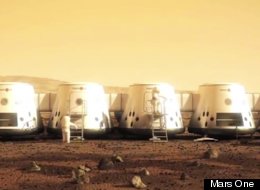
Perhaps it is commercial – and private – enterprises which will truly open up the new frontier. After SpaceX  and its Dragon and Virgin Galactic yet to come, Mars One plans for the colonisation of Mars. In 2022, a crew of four will embark on a seven-month flight to the Red Planet–and stay there for the rest of their lives. A new team will make the trip every two years, enabling the colony to grow. Whether the concept of making it a media event to finance the adventure will work remains to be seen. I suspect the financing challenge rather than the technical challenges will be paramount.

Mars One’s mission objective

Mars One plans to establish the first human settlement on Mars by April 2023. The first crew of four astronauts emigrate to their new planet from Earth, a journey that takes seven months. A new team will join the settlement every two years. By 2033 there will be over twenty people living, working and flourishing on Mars, their new home.

The vision of Mars One

A manned mission to Mars is one of the most exciting, inspiring and ambitious adventures that mankind can take on. We see this as a journey that belongs to us all, and it is for this reason that we will make every step one that we take together. This will also be our way to finance the mission: the mission to Mars will be the biggest media event ever!
The entire world will be able to watch and help with decisions as the teams of settlers are selected, follow their extensive training and preparation for the mission and of course observe their settling on Mars once arrived. The emigrated astronauts will share their experiences with us as they build their new home, conduct experiments and explore Mars. The mission itself will provide us with invaluable scientific and social knowledge that will be accessible to everyone, not just an elite select few. Join us in this adventure. Put it on Facebook, Twitter, LinkedIn or whatever platforms are available to you, and spread the word!

A realistic plan

The Mars One team has worked on this plan since early 2011. That first year saw us research the feasibility of the idea extensively and exhaustively, scrutinizing every detail with countless specialists and expert organizations. In this analysis we not only included the technical elements, but also comprehensively discussed the financial, psychological and ethical aspects.
We have met with several established, international aerospace companies who can design and deliver the essential hardware components for the Mars mission. These have written letters of interest that support our plan.
We have an impressive list of people who support the mission to Mars, our ambassadors. One of them is professor dr. Gerard ‘t Hooft, Physics Nobel Prize winner of 1999.
We were this thorough in our preparations for a reason. A project as ambitious as sending a manned mission to Mars can only be presented credibly when it can stand on its own two feet. We have a feasible plan and a way to finance it.

We are ready to go, will you join us?

The Dragon docks

May 26, 2012

Space Exploration Technologies (SpaceX) made history when its Dragon spacecraft became the first commercial vehicle in history to successfully attach to the International Space Station.  Previously only four governments – the United States, Russia, Japan and the European Space Agency – had achieved this challenging technical feat.

  • May 22/Launch Day: SpaceX’s Falcon 9 rocket launched the Dragon spacecraft into orbit from the Cape Canaveral Air Force Station.
  • May 23: Dragon orbited Earth as it traveled toward the International Space Station.
  • May 24: Dragon’s sensors and flight systems were subjected to a series of complicated tests to determine if the vehicle was ready to berth with the space station; these tests included maneuvers and systems checks in which the vehicle came within 1.5 miles of the station.
  • May 25: NASA gave Dragon the GO to attempt berthing with the station.  Dragon approached. It was captured by station’s robotic arm and attached to the station

The next steps:

  • May 25 – 31: Astronauts open Dragon’s hatch, unload supplies and fill Dragon with return cargo.
  • May 31: Dragon is detached from the station and returns to Earth, landing in the Pacific, hundreds of miles west of Southern California.

Live coverage of the hatch opening, including some of the first video from inside Dragon, will begin Saturday at approximately 3:00 AM PT/ 6:00 AM ET on www.spacex.com .

Signal received from Phobos Grunt

November 23, 2011

Breaking!

On Tuesday, 22 November at 20:25 UT, ESA’s tracking station at Perth, Australia, established contact with Russia’s Phobos-Grunt spacecraft. This was the first signal received on Earth since the Mars mission was launched on 8 November. ESA teams are working closely with engineers in Russia to determine how best to maintain communications with the spacecraft.

Phobos Grunt is dead and silent …..

November 12, 2011

Phobos-Grunt is still circling Earth at an altitude between 128 miles and 210 miles after launching Tuesday from the Baikonur Cosmodrome in Kazakhstan for Mars buit is dead and silent. The jinx goes on and it is now 21 Russian missions to Mars which have failed their main mission goals:

Information from http://www.russianspaceweb.com 

Soviet / Russian Mars Missions
Phobos-Grunt

Phobos-Grunt

SpaceflightNow: Major General Vladimir Uvarov, a former space expert in the Russian military, told the Rossiiskaya Gazeta newspaper he has lost optimism in Phobos-Grunt’s chances for recovery.

“In my opinion, the Phobos-Grunt probe has been lost. This probability is very high. At any rate, it is much higher than the chances for reactivating the probe,” Uvarov told the newspaper. …. 

With 11 tons of toxic hydrazine and nitrogen tetroxide propellant still in its fuel tanks, Phobos-Grunt’s potential re-entry is stirring concerns of space experts after two high-profile returns of large satellites in September and October.